Struggling with Irregularity? Discover the Truth About Senna Leaf for Natural Relief.
In the quest for natural digestive health, many individuals turn to herbal remedies. Among the most well-known and widely used is Senna leaf, a powerful botanical recognized for its laxative properties. But like any potent natural ingredient, understanding its full spectrum of benefits, as well as its potential risks, is crucial for safe and effective use.
This comprehensive guide, backed by scientific research and medical expertise, delves deep into Senna leaf. We'll explore how it works, its historical uses, and most importantly, provide you with everything you need to know to make informed decisions about incorporating Senna into your digestive wellness journey.

Understanding Senna Leaf: Nature's Potent Laxative
Senna is a powerful herbal remedy derived from the leaves and fruit of the *Cassia senna* plant. Used for centuries in traditional medicine, particularly in Ayurvedic and Chinese practices, it's widely recognized for its potent laxative properties. But what exactly is Senna, and how does it earn its reputation?
The active compounds in Senna are called sennosides. These compounds are not absorbed in the upper digestive tract but travel to the colon, where they are converted by gut bacteria into active metabolites. These metabolites then work in two primary ways to facilitate bowel movements: they stimulate the muscles of the colon, promoting contractions that push stool through the intestines, and they increase the amount of water and electrolytes in the colon, softening the stool and making it easier to pass. This dual action makes Senna an effective, albeit strong, stimulant laxative for occasional constipation relief.
Historically, Senna has been a go-to for clearing the digestive system, often used for short-term relief or as part of bowel preparation procedures before medical examinations. Its effectiveness is well-documented, but understanding its mechanism is key to appreciating both its benefits and the necessity for cautious use. Unlike bulk-forming laxatives, which add fiber to stool, or osmotic laxatives, which draw water into the bowel, Senna directly stimulates the colon, making it a faster-acting solution for acute issues.
💡 Key Takeaway
Senna leaf, containing sennosides, is a well-known stimulant laxative that works by increasing colon contractions and water content in the intestines. It's highly effective for short-term constipation relief but requires careful use due to potential side effects and the risk of dependency.
Key Benefits of Senna Leaf for Digestive Health
While its primary role is as a laxative, Senna offers specific benefits when used appropriately. It's important to differentiate these from broader gut health benefits, as Senna's action is quite targeted.
Effective Short-Term Constipation Relief
Senna is highly effective for relieving acute, occasional constipation. Its stimulant action typically produces a bowel movement within 6-12 hours after consumption, making it a reliable option when prompt relief is needed. This rapid effect is particularly beneficial for individuals experiencing temporary blockages due to dietary changes, travel, or medication side effects.
Bowel Preparation for Medical Procedures
Due to its strong laxative effect, Senna is often used as part of a regimen for bowel preparation before colonoscopies or other intestinal diagnostic procedures. It helps to thoroughly cleanse the colon, ensuring clear visibility for medical professionals. This specific application highlights its powerful ability to clear the digestive tract.
Natural Origin
As a plant-derived remedy, Senna appeals to those who prefer natural alternatives to synthetic medications. Its long history of traditional use provides a level of comfort for many seeking herbal solutions for digestive issues. However, "natural" does not always equate to "safe for unlimited use," especially with powerful herbs like Senna.
Accessibility and Affordability
Senna is widely available in various forms, including teas, tablets, and powders, and is generally inexpensive. This accessibility makes it a common choice for individuals seeking quick and affordable relief from constipation without requiring a prescription.

Potential Risks and Side Effects of Senna Leaf
While Senna offers clear benefits for specific situations, it's crucial to be aware of its potential downsides. Misuse or overuse can lead to significant health complications, underscoring the importance of informed and cautious application.
The most common side effects associated with Senna include abdominal cramps, bloating, gas, and diarrhea. These are often dose-dependent and can be quite uncomfortable. Some individuals may also experience discoloration of urine, which is harmless but can be alarming. More serious risks, particularly with prolonged or excessive use, include:
- Electrolyte Imbalance: Senna can lead to significant loss of potassium and other electrolytes through increased stool output. This imbalance can affect heart function, muscle control, and overall cellular processes, posing serious risks, especially for individuals with pre-existing heart or kidney conditions.
- Laxative Dependency: Chronic use of stimulant laxatives like Senna can cause the colon to become reliant on the stimulation to function. This can lead to a condition known as "lazy bowel syndrome," where the colon's natural motility is impaired, making it difficult to have a bowel movement without the laxative. This creates a vicious cycle of dependency.
- Dehydration: Increased fluid loss through diarrhea can lead to dehydration, which can manifest as dizziness, fatigue, and headaches. This risk is higher in older adults or those who do not adequately increase their fluid intake while using Senna.
- Colon Damage (Melanosis Coli): Long-term use of anthraquinone laxatives (like Senna) can cause a harmless, reversible pigmentation of the colon lining called melanosis coli. While generally considered benign, it is an indicator of chronic laxative abuse and warrants a review of laxative habits.
- Interactions with Medications: Senna can interact with various medications, including diuretics (which can exacerbate potassium loss), corticosteroids, heart medications (like digoxin), and blood thinners. Always consult a healthcare professional if you are taking other medications before using Senna.
It is paramount to use Senna strictly for short periods, typically no longer than 7 days, and at the lowest effective dose. If constipation persists, it's a sign to seek medical advice rather than increasing Senna dosage or duration. For long-term digestive support, a holistic approach focusing on diet, hydration, and gentle, supportive herbs is often recommended. You can learn more about gentle approaches in our article on digestive cleanse for beginners.
Who Should Avoid Senna and Proper Usage Guidelines
Understanding who should avoid Senna and adhering to strict usage guidelines are critical to prevent adverse effects and ensure safety. Not everyone is a suitable candidate for this potent herb.
Contraindications
Pregnant or breastfeeding women should avoid Senna due to potential risks to the fetus or infant. Individuals with inflammatory bowel diseases (Crohn's disease, ulcerative colitis), appendicitis, intestinal obstruction, or undiagnosed abdominal pain should never use Senna, as it can worsen these conditions. Those with kidney or heart disease are also at higher risk of electrolyte imbalances and should steer clear of Senna unless explicitly advised by a physician. Children under 12 should not use Senna without medical supervision.
Dosage and Administration
Senna should always be used at the lowest effective dose for the shortest possible duration. For adults, a typical dose of sennosides is 15-30 mg once daily, usually taken at bedtime, as effects usually manifest within 6-12 hours. It's available in various forms like tablets, capsules, and teas. Never exceed the recommended dose on the product label without consulting a healthcare provider. Discontinue use once bowel function normalizes.
Consult a Healthcare Professional
Before initiating Senna, especially if you have existing health conditions, are taking other medications, or are unsure about its suitability, consult your doctor or a qualified healthcare professional. They can provide personalized advice, assess potential interactions, and recommend the safest approach for your specific health needs. Self-medication with potent herbs carries inherent risks.
Beyond Senna: A Holistic Approach to Gut Health
While Senna can be a useful tool for acute constipation, true, sustainable digestive wellness relies on a broader, holistic approach. Relying solely on stimulant laxatives can mask underlying issues and prevent the body from establishing its natural rhythm. A healthy gut is a cornerstone of overall well-being, influencing everything from immunity to mood.
Integrating a balanced diet rich in fiber is perhaps the most critical step. Foods like fruits, vegetables, whole grains, and legumes add bulk to stool, making it easier to pass and promoting regular bowel movements. Adequate hydration is equally vital; water softens stool and helps it move smoothly through the digestive tract. Aim for at least 8 glasses of water daily, more if you're active or consuming a high-fiber diet.
Regular physical activity also plays a significant role. Exercise stimulates the muscles of the intestines, aiding in peristalsis—the wave-like contractions that move food through your digestive system. Even a daily brisk walk can make a noticeable difference in regularity. Managing stress, ensuring sufficient sleep, and listening to your body's signals are also crucial, as the gut-brain axis profoundly impacts digestive function. Many people find relief from bloating by exploring how to reduce bloating fast through these holistic methods.
For those seeking comprehensive natural support beyond single-ingredient solutions, a blend of carefully selected herbs and natural compounds can offer more balanced benefits. These ingredients often work synergistically to support various aspects of digestion, from gentle laxative effects to soothing inflammation and promoting a healthy gut environment. This multi-faceted approach is what many look for in a natural gut detox, exploring natural gut detox relief remedies that support the body's inherent processes rather than forcing them.
Complementary Ingredients for Comprehensive Digestive Support
While Senna targets acute constipation, a range of other natural ingredients can offer broader, more gentle support for overall digestive health and regularity. These ingredients often work in harmony to cleanse, soothe, and optimize gut function.

Cascara Sagrada Bark
Role: A gentle stimulant laxative, similar to Senna but often considered milder. It encourages bowel contractions and softens stool, aiding in regular and comfortable bowel movements without harshness.
Typical dose: 200-400 mg
Cape Aloe Leaf
Role: Contains aloin, a compound known for its laxative effects. It helps stimulate intestinal motility and supports detoxification, often used in combination with other herbs for a balanced cleanse.
Typical dose: 50-200 mg
Licorice Root Extract
Role: Known for its soothing properties, licorice root can help calm an irritated digestive tract. It supports a healthy mucosal lining and may ease discomfort associated with digestive upset.
Typical dose: 200-500 mg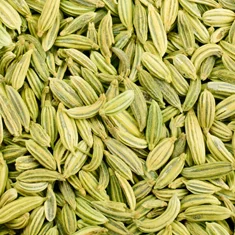
Fennel Seed
Role: A traditional carminative, fennel helps reduce gas, bloating, and indigestion. It can relax the smooth muscles of the digestive tract, making it excellent for alleviating discomfort and promoting easier digestion.
Typical dose: 100-300 mg
Cayenne Pepper Fruit
Role: Contains capsaicin, which can stimulate digestive fluid production and increase circulation in the gut. It aids in metabolism and can support the body's natural detoxification processes.
Typical dose: 25-100 mg
Bentonite Clay
Role: Acts as an adsorbent, binding to toxins and waste products in the digestive tract and helping to carry them out of the body. It supports detoxification and can contribute to a feeling of lightness and cleanliness.
Typical dose: 250-500 mg
Reclaim Your Digestive Comfort with BellyFlush
While Senna offers a strong, immediate solution for occasional constipation, a truly effective and sustainable approach to gut health often requires a more balanced blend of ingredients. BellyFlush is formulated to provide comprehensive digestive support, combining gentle herbal laxatives with soothing botanicals and cleansing agents to promote regular bowel movements, reduce bloating, and support overall gut wellness.
- Supports regular, comfortable bowel movements
- Helps reduce occasional bloating and digestive discomfort
- Promotes natural detoxification and a healthy gut environment
- Formulated with 100% natural, high-quality ingredients
- Backed by a 60-Day Money-Back Guarantee for your peace of mind





What Our Customers Say
"I've tried many natural remedies for my occasional bloating and irregularity, but BellyFlush truly stands out. It's gentle yet effective, and I feel so much lighter and more energetic. Highly recommend for anyone looking for consistent digestive support!"
"After years of discomfort, BellyFlush has been a game-changer. I appreciate that it's all-natural and doesn't cause the harsh cramping I've experienced with other products. My digestion feels balanced, and I'm much more regular now."
"I was skeptical at first, but BellyFlush delivered! I feel less bloated, more regular, and just generally healthier. It's become a staple in my wellness routine. The 60-day guarantee made it easy to try, and I'm so glad I did."
Frequently Asked Questions
What is Senna leaf and how does it work?
+Senna is an herbal laxative derived from the leaves and pods of the Cassia senna plant. It contains compounds called sennosides, which stimulate the colon muscles and increase water content in the intestines, leading to softer stools and easier bowel movements. It's primarily used for short-term relief of occasional constipation.
Is Senna safe for long-term use?
+No, Senna is generally not recommended for long-term or chronic use. Prolonged use can lead to dependency, electrolyte imbalances, and potentially damage the colon's natural function. It is best reserved for occasional, short-term relief of constipation, typically not exceeding one week.
What are the common side effects of Senna?
+Common side effects of Senna include abdominal cramps, bloating, gas, and diarrhea. In some cases, it can cause urine discoloration. More serious side effects, especially with overuse, can include electrolyte disturbances (like low potassium), dehydration, and laxative dependency.
Can I use Senna for weight loss or detoxification?
+While Senna may lead to temporary weight loss due to fluid and stool excretion, it does not burn fat or contribute to sustainable weight reduction. Its use for 'detoxification' or 'cleansing' is also controversial; while it can clear the bowels, there's little scientific evidence to support its role in systemic detoxification beyond its laxative effect. It should not be used as a primary method for weight management or routine detox.
How does BellyFlush compare to using Senna alone?
+BellyFlush is a comprehensive digestive support supplement that contains a blend of natural ingredients, including gentle herbal laxatives like Cascara Sagrada and Cape Aloe, alongside soothing and supportive herbs like Licorice Root, Fennel Seed, and Bentonite Clay. While Senna is a potent stimulant laxative, BellyFlush aims for a more balanced approach, promoting regularity and gut wellness through a synergistic formula, rather than relying on a single, strong stimulant. It is designed for broader digestive support, not just immediate constipation relief.
Who should avoid using Senna leaf?
+Senna should be avoided by individuals with inflammatory bowel conditions (Crohn's disease, ulcerative colitis), appendicitis, intestinal obstruction, or undiagnosed abdominal pain. Pregnant or breastfeeding women, children under 12, and those with kidney or heart disease should also avoid Senna unless specifically advised by a doctor. It can interact with certain medications, including diuretics, corticosteroids, and heart medications.
Related Articles

Take Control of Your Digestive Health with BellyFlush
Move beyond single-ingredient solutions. BellyFlush combines six powerful natural ingredients for a comprehensive digestive cleanse that supports regularity, reduces bloating, and promotes a healthier gut environment.
- ✓ Gentle yet effective natural colon cleanse
- ✓ Supports regular, comfortable bowel movements
- ✓ Reduces bloating and digestive discomfort
- ✓ 100% natural, high-quality ingredients
- ✓ Backed by a 60-Day Money-Back Guarantee