Is Your Gut Crying Out for Natural Relief?
In our fast-paced world, digestive discomfort has become an unwelcome norm for millions. From bloating and gas to more persistent issues like acid reflux or irregular bowel movements, a compromised gut can significantly impact overall well-being. The delicate lining of our digestive tract, often overlooked, plays a crucial role in nutrient absorption and immune defense.
Understanding the importance of a healthy gut barrier is the first step towards lasting relief. Fortunately, nature offers powerful allies, and one of the most remarkable is slippery elm bark – a centuries-old remedy known for its soothing and protective properties that can help restore balance and comfort to your digestive system.

The Foundation of Health: Why Your Gut Lining Matters So Much
Before we delve into the wonders of slippery elm, it's crucial to understand the vital role your gut lining plays in your overall health. It's not just a passive tube; it's a dynamic barrier, a sophisticated gatekeeper, and a critical component of your immune system.
Your digestive tract, stretching from your mouth to your anus, is lined with a single layer of cells that form a protective barrier. This barrier has two primary functions: to absorb essential nutrients from your food into your bloodstream and to prevent harmful substances, undigested food particles, toxins, and pathogens from entering your body. When this barrier is compromised, it can lead to a condition often referred to as "leaky gut syndrome" or increased intestinal permeability.
A healthy gut lining is characterized by tight junctions between its cells, which act like strong seals. When these junctions loosen, the gut becomes more permeable, allowing unwanted substances to "leak" into the bloodstream. This can trigger an immune response, leading to chronic inflammation, food sensitivities, and a host of symptoms ranging from digestive upset to skin issues, joint pain, and even neurological symptoms. Researchers are increasingly recognizing the profound connection between gut health and conditions far beyond the digestive system, including autoimmune diseases and mental health. Therefore, maintaining the integrity of your gut lining is paramount for long-term health and vitality.
Understanding this intricate system helps us appreciate why natural remedies focused on soothing and repairing this delicate barrier are so valuable, offering a gentle yet powerful approach to restoring digestive harmony and promoting overall wellness.
💡 Key Takeaway
The gut lining is a critical barrier for nutrient absorption and immune defense. A compromised lining (leaky gut) can lead to widespread inflammation and health issues, highlighting the importance of supporting its integrity for overall well-being.
Slippery Elm Bark: An Ancient Remedy for Modern Digestive Woes
For centuries, indigenous cultures in North America have revered slippery elm (Ulmus rubra) for its remarkable medicinal properties. The inner bark of this tree, when mixed with water, creates a unique, gel-like substance known as mucilage. This isn't just a simple gel; it's a powerful natural compound that offers profound benefits for the entire digestive system.
The magic of slippery elm lies in its ability to form a soothing, protective coating over mucous membranes. When ingested, this mucilage lines the esophagus, stomach, and intestines, providing immediate relief from irritation and inflammation. It acts like a natural bandage, shielding delicate tissues from harsh stomach acids, digestive enzymes, and irritating food particles. This protective action is particularly beneficial for individuals suffering from conditions that involve inflammation or damage to the gut lining.
Beyond its coating capabilities, slippery elm bark also possesses mild anti-inflammatory properties, which can help calm an overactive immune response in the gut. It's a demulcent, meaning it soothes irritated or inflamed internal body parts, and an emollient, which means it helps soften and protect the skin and mucous membranes. This dual action makes it incredibly versatile in addressing a wide range of digestive complaints, from the top of the digestive tract to the very end.
Unlike some harsh synthetic remedies, slippery elm works gently with the body's natural processes, supporting healing rather than merely suppressing symptoms. Its natural composition makes it a favored choice for those seeking holistic and sustainable solutions for their gut health challenges.
Specific Benefits of Slippery Elm Bark for Gut Lining and Digestion
Slippery elm bark offers a multifaceted approach to digestive wellness, addressing several key areas that contribute to a healthy gut and comfortable digestion. Here are some of its most significant benefits:
Protects and Repairs the Gut Lining
The mucilage in slippery elm forms a protective barrier over the mucosal lining of the digestive tract. This shield helps to prevent further damage from stomach acid, enzymes, and toxins, while also providing an optimal environment for the existing lining to heal and regenerate. This is crucial for addressing issues like leaky gut syndrome, where the intestinal barrier is compromised.
Soothes Inflammation and Irritation
Thanks to its demulcent properties, slippery elm bark can significantly reduce inflammation throughout the digestive system. This makes it highly effective for conditions such as gastritis, esophagitis, inflammatory bowel disease (IBD) like Crohn's and ulcerative colitis, and general gut irritation. It calms the inflamed tissues, alleviating pain and discomfort.
Relieves Constipation Naturally
For those struggling with occasional or chronic constipation, slippery elm can act as a gentle, bulk-forming laxative. The mucilage absorbs water, creating a softer, larger stool that is easier to pass. This helps to promote regular bowel movements without the harsh effects often associated with stimulant laxatives, making it a safe option for long-term use.
Manages Diarrhea Symptoms
Conversely, slippery elm can also be beneficial for diarrhea. Its ability to absorb excess water in the colon helps to firm up loose stools and reduce the frequency of bowel movements. This adaptogenic quality makes it a versatile remedy for regulating bowel function, whether you're experiencing constipation or diarrhea.
Alleviates Acid Reflux and Heartburn
The thick, gel-like consistency of slippery elm provides immediate relief from the burning sensation of acid reflux and heartburn. By coating the esophagus and stomach, it neutralizes excess acid and protects the delicate lining from irritation. This natural antacid effect can be a welcome alternative to conventional medications for many individuals.
Supports Irritable Bowel Syndrome (IBS) Management
Due to its combined ability to soothe inflammation, regulate bowel movements, and protect the gut lining, slippery elm is a popular natural remedy for managing symptoms of Irritable Bowel Syndrome (IBS). It can help reduce abdominal pain, cramping, bloating, and irregular bowel habits, offering a holistic approach to a complex condition.

How to Incorporate Slippery Elm into Your Wellness Routine
Slippery elm bark is available in several forms, making it easy to integrate into your daily regimen. The most common forms include powder, capsules, and lozenges.
The **powdered form** is often considered the most effective for digestive issues, especially for its coating action. To use, typically one to two tablespoons of the powder are mixed with a cup of warm water to form a thick gruel. This can be consumed two to three times a day, ideally between meals to maximize its soothing effect on the gut lining. The consistency allows it to effectively coat the entire digestive tract, from the esophagus down to the colon. For those who find the taste or texture challenging, mixing it with a small amount of apple juice or honey can make it more palatable.
Capsules offer a convenient alternative, especially for those on the go. While they still deliver the beneficial mucilage, the coating effect might be less pronounced than with the gruel. Follow the manufacturer's recommended dosage, usually one to two capsules taken with a full glass of water, two or three times daily. It is always advised to take slippery elm with plenty of water to ensure the mucilage can fully hydrate and perform its function effectively.
Lozenges are primarily used for soothing sore throats, coughs, and upper digestive irritation, such as acid reflux that manifests as throat discomfort. They dissolve slowly, providing localized relief. Regardless of the form, it's generally recommended to take slippery elm at least an hour before or two hours after other medications or supplements, as its coating properties could potentially interfere with their absorption. Always consult with a healthcare professional before starting any new supplement, especially if you have underlying health conditions or are taking other medications.
Beyond Slippery Elm: A Holistic Approach to Gut Health
Dietary Foundations
A gut-friendly diet is paramount. Focus on whole, unprocessed foods, abundant fruits and vegetables, lean proteins, and healthy fats. Limit refined sugars, artificial sweeteners, processed foods, and excessive alcohol, which can all contribute to gut inflammation and dysbiosis. Consider incorporating fermented foods like kimchi, sauerkraut, and yogurt to boost beneficial gut bacteria. Learning about digestive cleanses for beginners can offer a great starting point for resetting your gut.
Probiotics and Prebiotics
While slippery elm soothes, probiotics introduce beneficial bacteria to your gut, and prebiotics feed them. A balanced microbiome is essential for digestion, nutrient absorption, and immune function. Look for high-quality probiotic supplements and incorporate prebiotic-rich foods like onions, garlic, bananas, and oats into your diet.
Stress Management
The gut-brain axis is a powerful connection. Chronic stress can negatively impact gut motility, increase inflammation, and alter the gut microbiome. Practices like meditation, yoga, deep breathing exercises, and spending time in nature can significantly improve digestive symptoms by reducing stress levels.
Hydration and Movement
Adequate water intake is crucial for healthy digestion and helps the mucilage in slippery elm perform its function. Regular physical activity also stimulates bowel movements and promotes overall gut health. Aim for at least 8 glasses of water daily and incorporate daily exercise, even if it's just a brisk walk.
BellyFlush: A Synergistic Blend for Optimal Gut Health
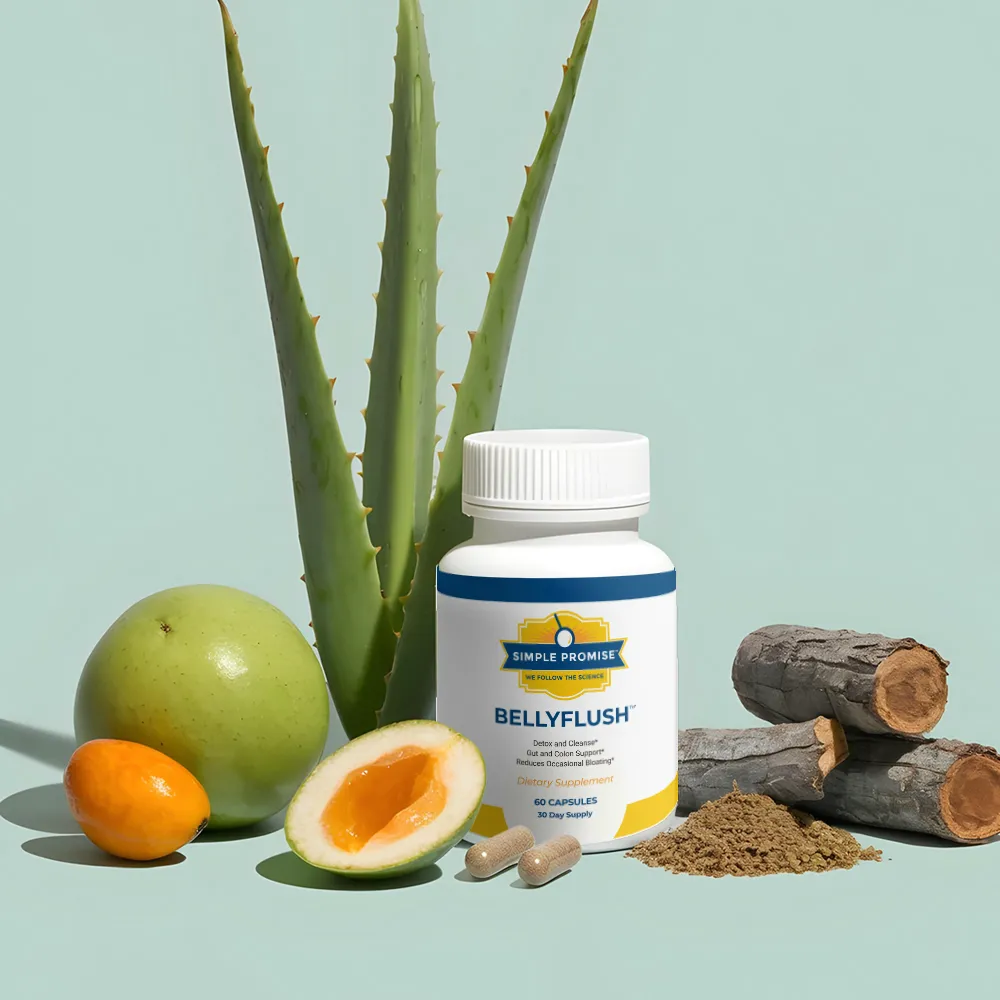
While slippery elm bark is a fantastic natural remedy, sometimes a more comprehensive approach is needed to achieve optimal digestive wellness. BellyFlush is formulated to provide holistic support for your gut, combining several powerful natural ingredients to cleanse, soothe, and balance your digestive system. It works synergistically to address common digestive complaints and promote a healthy gut environment, complementing the principles of gut lining protection and digestive regularity discussed with slippery elm.
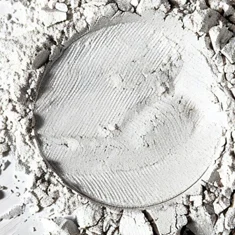
Bentonite Clay
Role: A natural detoxifier that absorbs toxins, heavy metals, and impurities from the digestive tract, facilitating their elimination. It can also soothe the gut lining.
Typical dose: 1-2g daily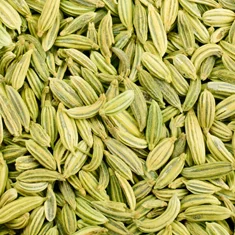
Fennel Seed
Role: Known for its carminative properties, fennel seed helps to relax the digestive tract, reduce gas, bloating, and abdominal discomfort. It can also aid in soothing indigestion. You can learn more about fennel seed benefits for digestion in our detailed article.
Typical dose: 50-150mg daily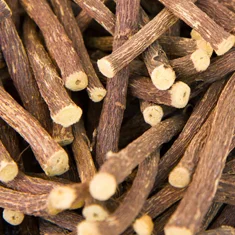
Licorice Root Extract
Role: This powerful herb helps to soothe and protect the stomach lining, supporting healthy mucus production. It also has anti-inflammatory properties that can calm an irritated digestive system and aid in healing.
Typical dose: 50-200mg daily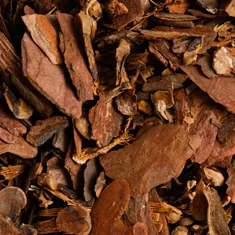
Cascara Sagrada Bark
Role: A natural stimulant laxative traditionally used to relieve occasional constipation. It promotes bowel regularity by encouraging intestinal contractions and softening stool, working effectively as part of a gentle cleanse.
Typical dose: 50-100mg daily
Experience the BellyFlush Difference: Comprehensive Gut Support
If you're looking for a holistic solution to support your gut lining, improve digestion, and achieve overall digestive comfort, BellyFlush offers a potent blend of natural ingredients. Designed to work in harmony with your body, BellyFlush helps you reclaim control over your digestive health, just as nature intended.
- ✓ Supports a healthy gut lining and integrity
- ✓ Promotes regular and comfortable bowel movements
- ✓ Helps reduce bloating, gas, and digestive discomfort
- ✓ Formulated with potent, natural ingredients
- ✓ Made in the USA and GMP Certified for quality



Real Results, Real Comfort: What Our Customers Say
Don't just take our word for it. Hear from individuals who have experienced the transformative benefits of supporting their gut health with natural solutions. For more stories, visit our BellyFlush reviews and real results page.
"I've struggled with bloating and discomfort for years. Adding natural gut support, similar to what BellyFlush offers, has made an incredible difference. I feel lighter and my digestion is finally regular!"
"Slippery elm was a game-changer for my acid reflux. The soothing effect was almost immediate. I appreciate knowing there are gentle, effective options out there for gut health."
"After trying many things for my sensitive gut, a holistic approach including ingredients like those in BellyFlush finally brought me relief. No more constant stomach upset, just comfort."
Frequently Asked Questions
What is slippery elm bark and how does it work for digestion?
+Slippery elm bark comes from the inner bark of the Ulmus rubra tree. It contains mucilage, a complex carbohydrate that forms a gel-like substance when mixed with water. This mucilage coats and soothes irritated mucous membranes throughout the digestive tract, providing a protective barrier against stomach acid and digestive enzymes.
Can slippery elm bark help with leaky gut syndrome?
+Yes, slippery elm bark is often recommended for leaky gut (increased intestinal permeability). Its mucilaginous properties help to strengthen and repair the gut lining by forming a protective layer, reducing inflammation, and potentially aiding in the regeneration of damaged gut tissue. This can help prevent unwanted substances from passing into the bloodstream.
Is slippery elm bark effective for both constipation and diarrhea?
+Remarkably, yes. For constipation, the mucilage adds bulk to stool and lubricates the intestinal tract, promoting smoother bowel movements. For diarrhea, it can absorb excess water in the colon, firming up stools and reducing the frequency of loose bowel movements. It acts as an adaptogen for bowel regularity.
Are there any side effects or precautions when taking slippery elm?
+Slippery elm bark is generally considered safe for most people when taken in recommended doses. However, because it can coat the digestive tract, it might interfere with the absorption of certain medications if taken simultaneously. It's advisable to take slippery elm at least 1-2 hours apart from other medications or supplements. Pregnant or nursing women and individuals with pre-existing conditions should consult a healthcare professional before use.
How should I take slippery elm bark for digestive benefits?
+Slippery elm bark is commonly available as a powder, capsules, or lozenges. The powder can be mixed with water to form a gruel, which is often preferred for its coating effects. Capsules offer convenience, while lozenges can help soothe throat and upper digestive irritation. Always follow the dosage instructions on the product label or consult a healthcare provider.
How does BellyFlush complement the benefits of slippery elm bark?
+While slippery elm bark is a powerful standalone ingredient, BellyFlush offers a comprehensive approach to gut health by combining several natural ingredients that work synergistically. Ingredients like Bentonite Clay, Fennel Seed, and Licorice Root in BellyFlush provide cleansing, soothing, and digestive support, complementing slippery elm's benefits by promoting overall gut balance, detoxification, and digestive comfort. It's a holistic solution for those seeking broad digestive improvement.
Related Articles

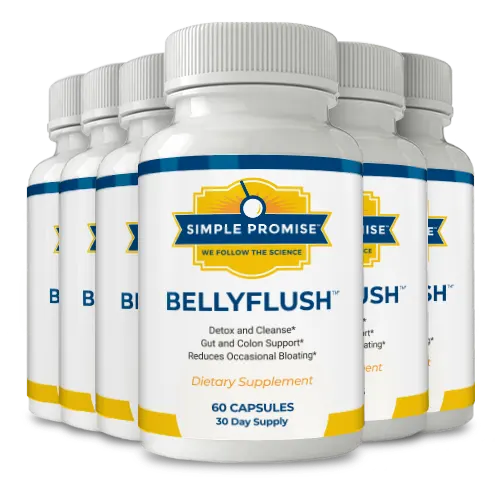
Restore Your Gut Lining with BellyFlush
Complement the soothing power of slippery elm with a complete digestive support system. BellyFlush combines six natural ingredients to cleanse, soothe, and protect your gut for lasting comfort.
- ✓ Supports a healthy gut lining and integrity
- ✓ Promotes regular and comfortable bowel movements
- ✓ Helps reduce bloating, gas, and digestive discomfort
- ✓ 100% natural, high-quality ingredients
- ✓ Backed by a 60-Day Money-Back Guarantee